The oldest settlements in Timisoara area are more than 7500 years old. The first documentary evidence of Timisoara dates from 1212, under the name of "Castrum of Tymes" (Cetatea Timis). The first stone fortress was built between 1307 and 1315 on the orders of the Hungarian king, Carol Robert, Prince of Anjou. In 1552, Timisoara fortress was conquered by the Ottoman army and the whole surrounding area was transformed into an Ottoman province. In 1716, the Austrian Habsburg troops led by Prince Eugene of Savoya liberated the city, which later became a free imperial city in December 1781.
Timisoara was the first mainland European city to be lit by electric street lamps in 1884. It was also the second European and the first city in what is now Romania with horse drawn trams in 1867. Gustave Eiffel, the creator of the Eiffel Tower in Paris, built one of Timisoara's footbridges over the river of Bega.
In 1918, in accordance with the Versailles peace treaty, Timisoara City and Banat Province became part of Romania. In 1920, King Ferdinand I awarded Timisoara with the status of a University Center, and the interwar years saw continuous economic and cultural development. A number of anti-fascist and anti-revisionist demonstrations also took place during this time.
In the 20th century Timisoara became a metropolis with more than 400 000 inhabitants, which concentrate the economical, commercial, demographic and cultural interest of a large area in this part of Romania.
On December 16th 1989, Timisoara was the place where the anti-Communist revolution spark burst.
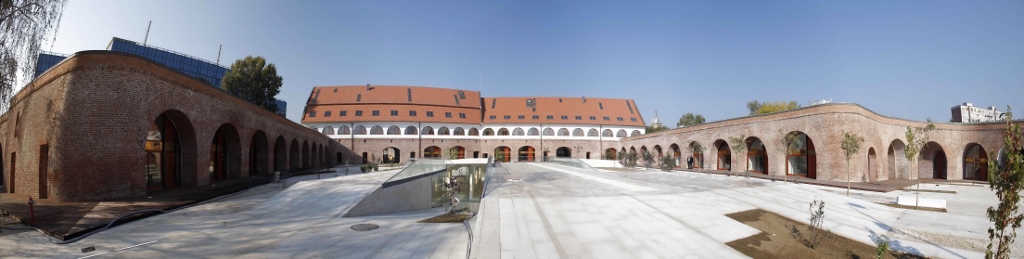
About Timișoara
Please follow these links for more information about Timișoara: